Organized by: Graham Bell Centre for the Deaf
Training Duration: 18 May 2026 to 23 May 2026
Participants: Staff of Nir ideal Home, Haroa, N 24 Parganas.
Introduction:
Graham Bell Centre for the Deaf has organized a six-day intensive training programme on disability& development as part of its capacity-building initiative for field-level professionals and rehabilitation workers of Nir Ideal Home, N 24 Parganas. The training was designed in four phases. This is the phase – I concentrate on ‘Identification of Disability’.
Training Objectives
The overall objective of the programme was to strengthen participants’ understanding of different types of disabilities as per the Rights of Persons with Disabilities (RPwD) Act, 2016. The specific objectives of the training were:
A pre-training assessment was conducted at the beginning of the programme to understand the existing knowledge and awareness level of the participants regarding disability & development. The assessment revealed that
Executive Summary
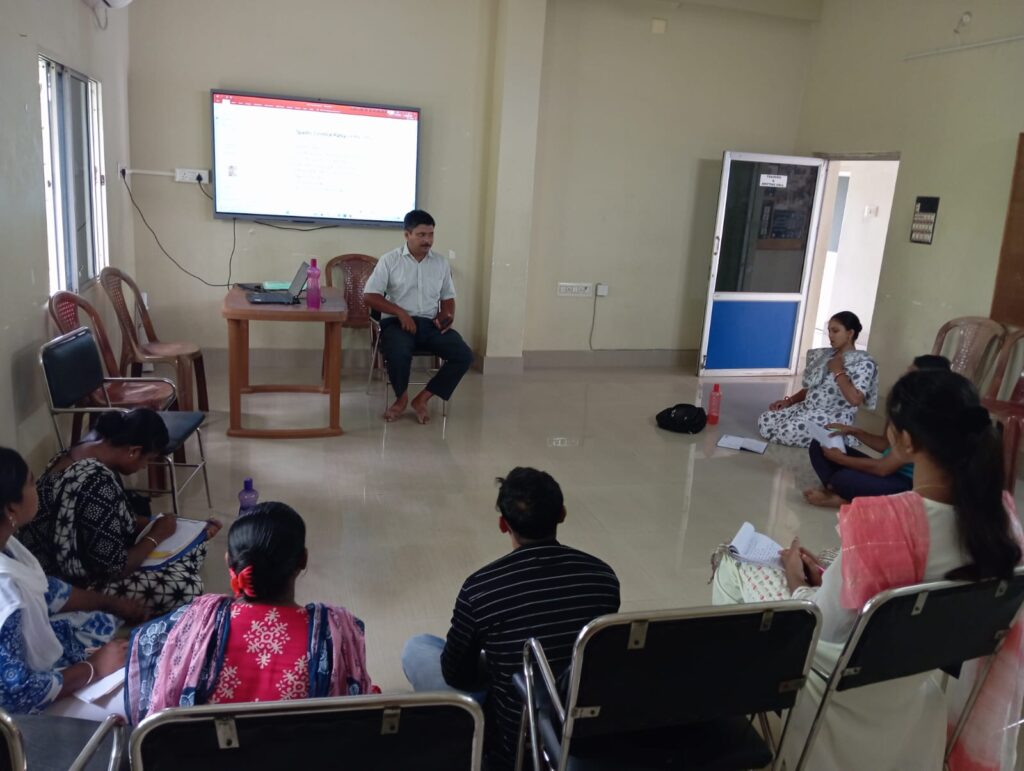
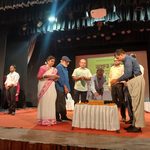
The training programme was commenced on 18.05.2026 with an introductory session facilitated by honorable director of GBCD, Sk. Mansur Ali. Ground rules and expectations were discussed, followed by a pre-training assessment to understand the participants’ baseline knowledge. Sessions on ‘introduction to disability’ focused on challenges faced by children / persons with Hearing Impairment, Blind, Intellectual Disability and Locomotor Disability at real world had been demonstrated through an engaging role play. The afternoon session covered child development milestones and an orientation on the Rights of Persons with Disabilities (RPD) Act, 2016 with special focus on 21 types of Disability. Then a session took place on Deafness: Challenges, Type of Hearing loss as per age (Congenital / Acquired), Place (Conductive / Sensorineural / Mixed ) and linguistic (Pre-linguistic & Post linguistic) degree of Hearing Loss (Mild, moderate etc.) etc. along with age wise identification techniques of deaf children. The session also focused on language development milestone of a child. The day concluded with Recapitulation and a feedback session.
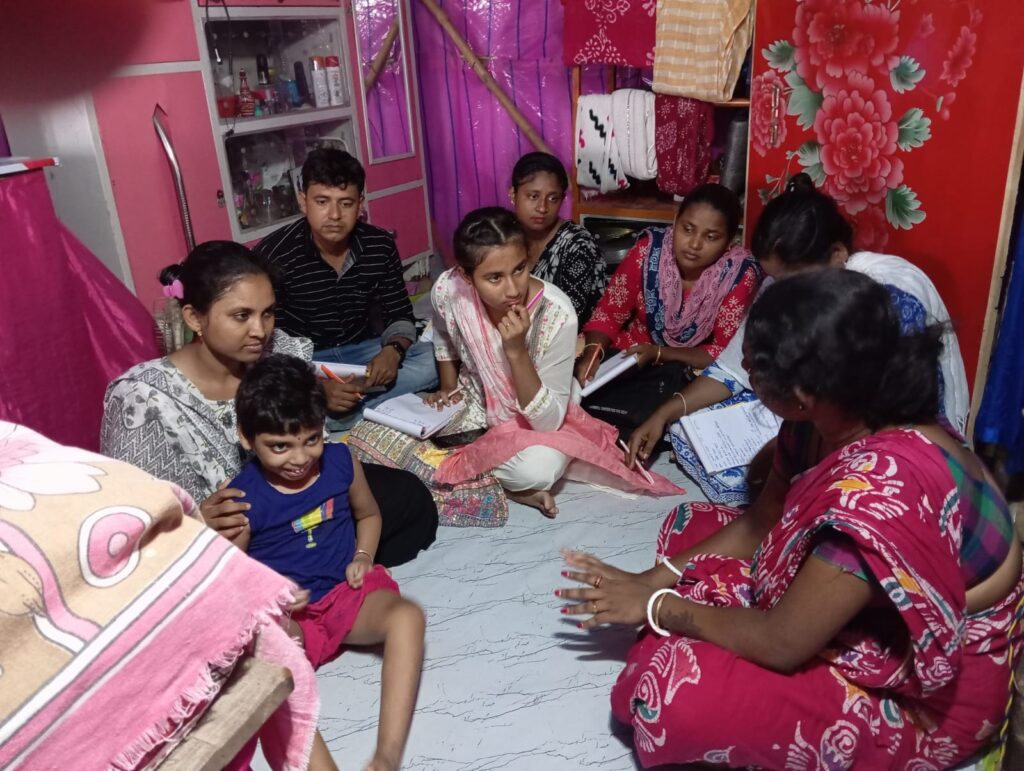
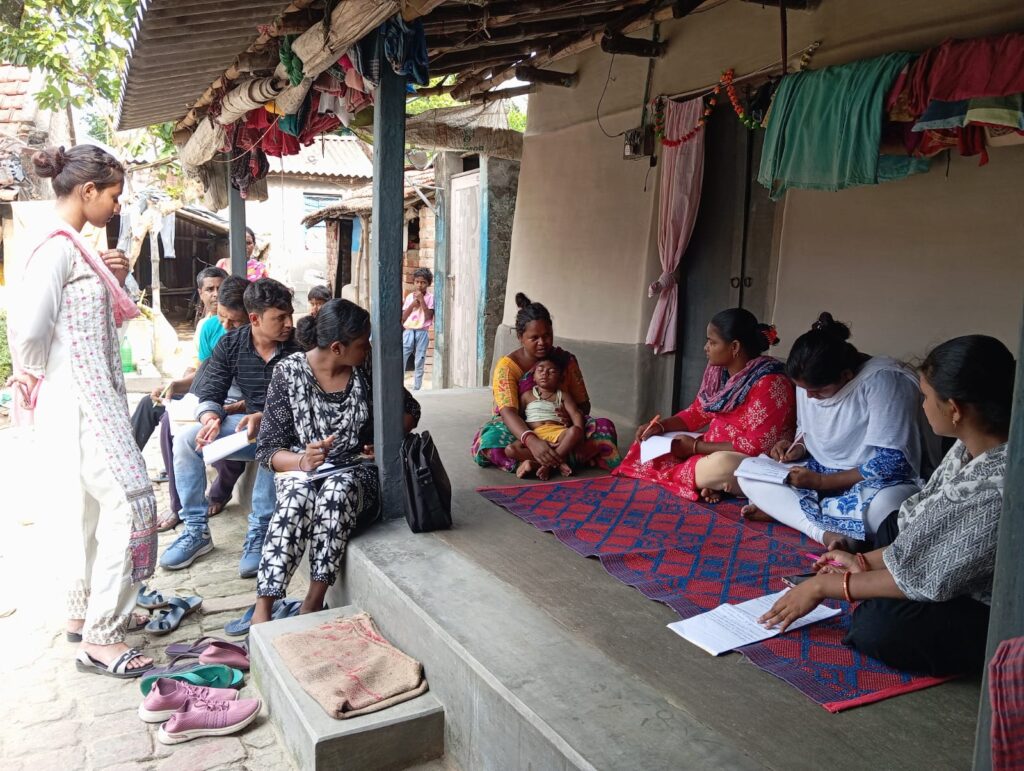
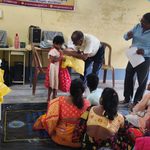
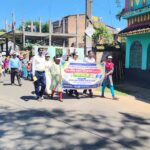
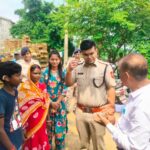
On the second day, participants undertook a field visit (4 Children) to interact with parents of deaf children related to identification of deafness and communication practices in real-life settings. After the field exposure, participants shared their observations and reflections during a structured discussion session facilitated by the resource team. ISL practice sessions were organized to strengthen communication skills of the participants.
The third day focused on Intellectual Disability (ID). Sessions included the concept,types, nature, and challenges associated with intellectual disabilities. Participants were also oriented on Identification techniques including physical featuresof children with ID. A field visitwas organized to provide direct exposure to children with intellectual disabilities. During the visit the participants had seen every type of ID i.e. General ID, Down syndrome, Cretinism, Microcephaly and Hydrocephaly. The day ended with group discussions, recapitulation, participant feedbackand ISL Session.
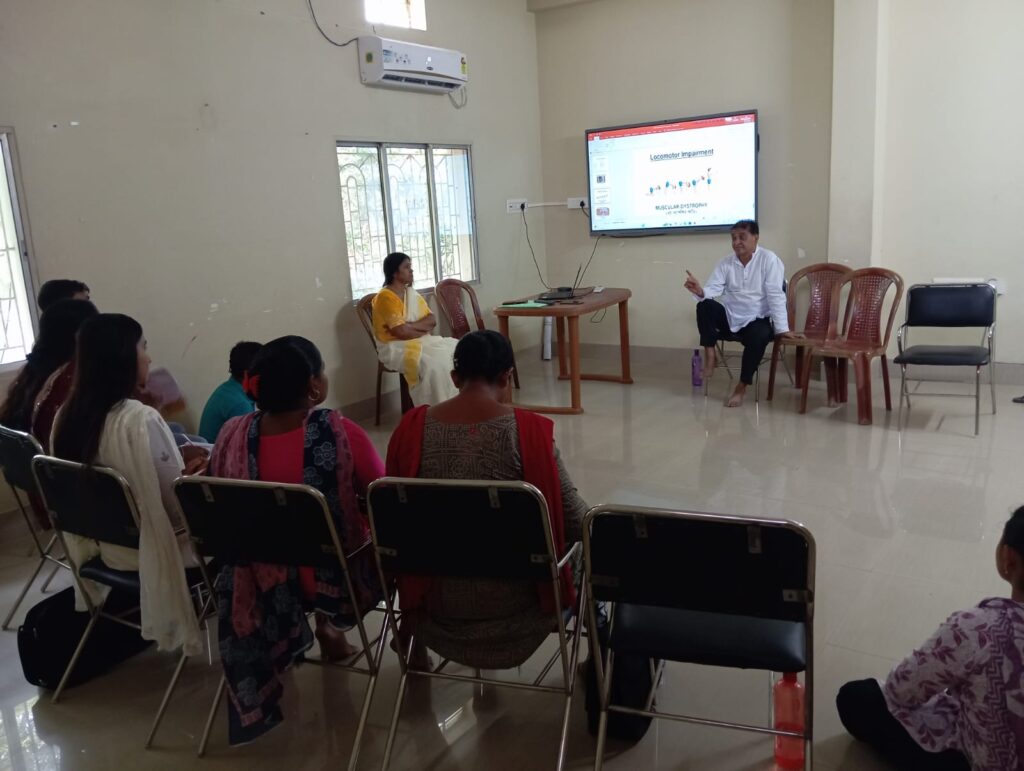
The fourth and fifth days concentrated on Locomotor Disability (LMD). Detailed sessions were conducted on the Definition, Causes, Challenges, Types and Natureof LMD. The days has been planned as one day for Cerebral Palsy and the other day for the rest. Participants also attended field visits where they observed mobility-related challenges and rehabilitation interventions at the community level. Interactive discussions after the visits enabled participants to analyze field observations and connect theory with practice. These two days also ended with group discussions, recapitulation, participant feedbackand ISL Sessions.
The final day of the training focused on exposure to the GBCD’s institution based Clinics (Physiotherapy, Speech Therapy, Occupational Therapy, Psychological Assessment, Eye Clinic, Special Education of ASD, Mental Health Clinic etc.) and clinical observation processes. Participants observed clinical assessment methods and rehabilitation procedures followed by the organization. A comprehensive recapitulation session was conducted to review all major learning points covered during the six-day programme. Post-training assessment and feedback sessions indicated significant improvement in participants’ understanding of disability identification procedure.
Methodology
Throughout the training, participatory methods such as discussions, field exposure, observation exercises, practical demonstrations, role play, games and recapitulation sessions, were used to ensure effective learning.
Training Feedback by the Participants
The training programme successfully achieved its objectives by improving participants’ understanding of disability & development. The programme contributed to strengthening the capacity of participants to identify children and persons with disabilities within the community. Continued training and follow-up support are recommended to ensure effective implementation of the learning at the field level.