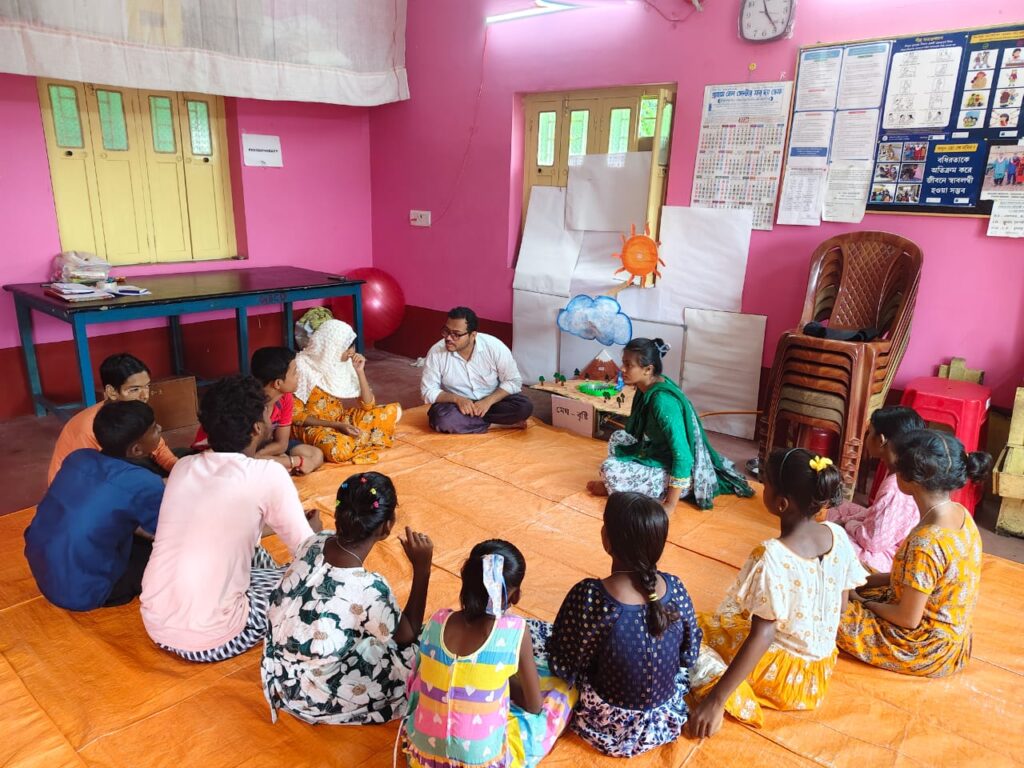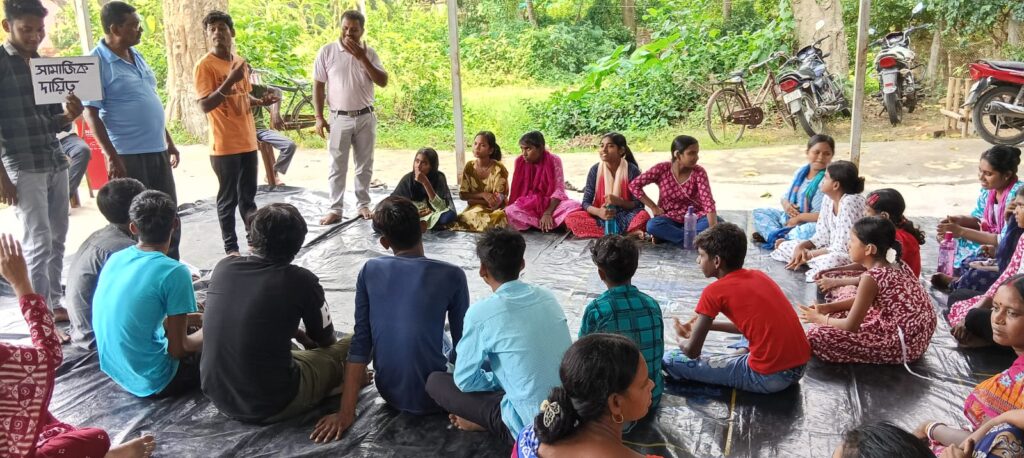
Graham Bell Centre for the Deaf (GBCD) organized quarterly Day Care Camps for children with Intellectual Disability (ID), Cerebral Palsy (CP), Multiple Disabilities (MD), Locomotor Disability (LMD), Autism Spectrum Disorder (ASD), and Hearing Impairment (HI) across the blocks of Pandua, Polba-Dadpur, Balagarh, and Dhaniakhali.
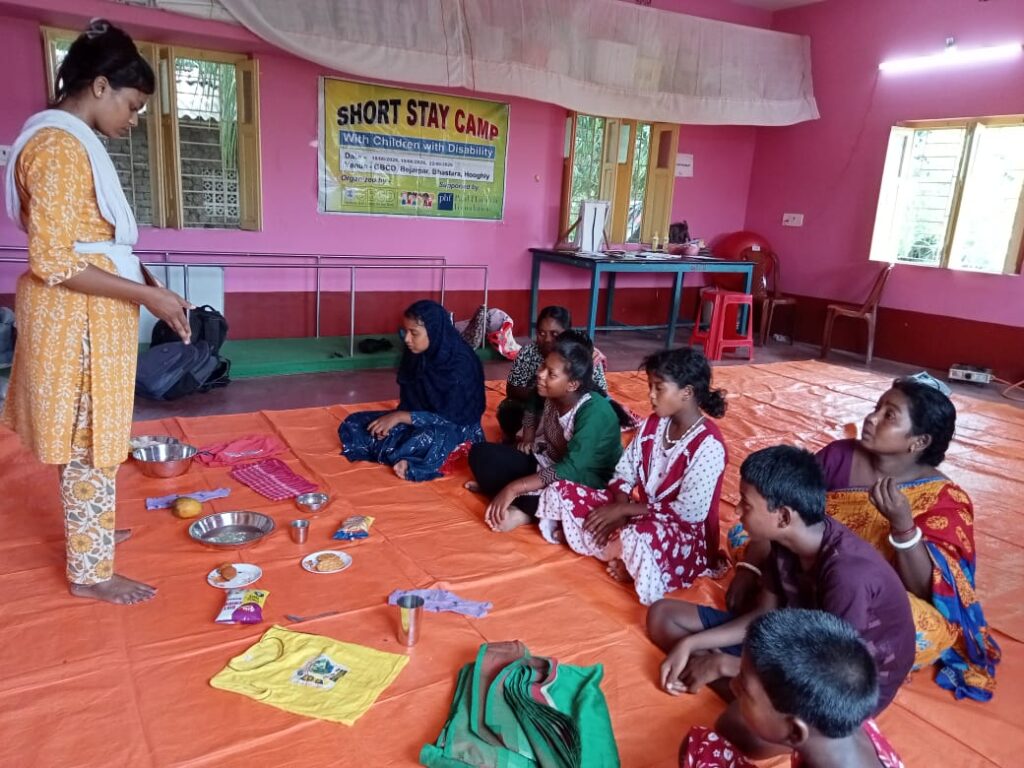
The camps aimed to promote joyful, activity-based learning by utilizing real-life objects and locally available materials as improvised teaching–learning aids from the children’s immediate environment. Simultaneously, parents received practical hand-holding training to help them reinforce learning and therapy activities at home.
To ensure focused interventions, the camps were organized over three days:
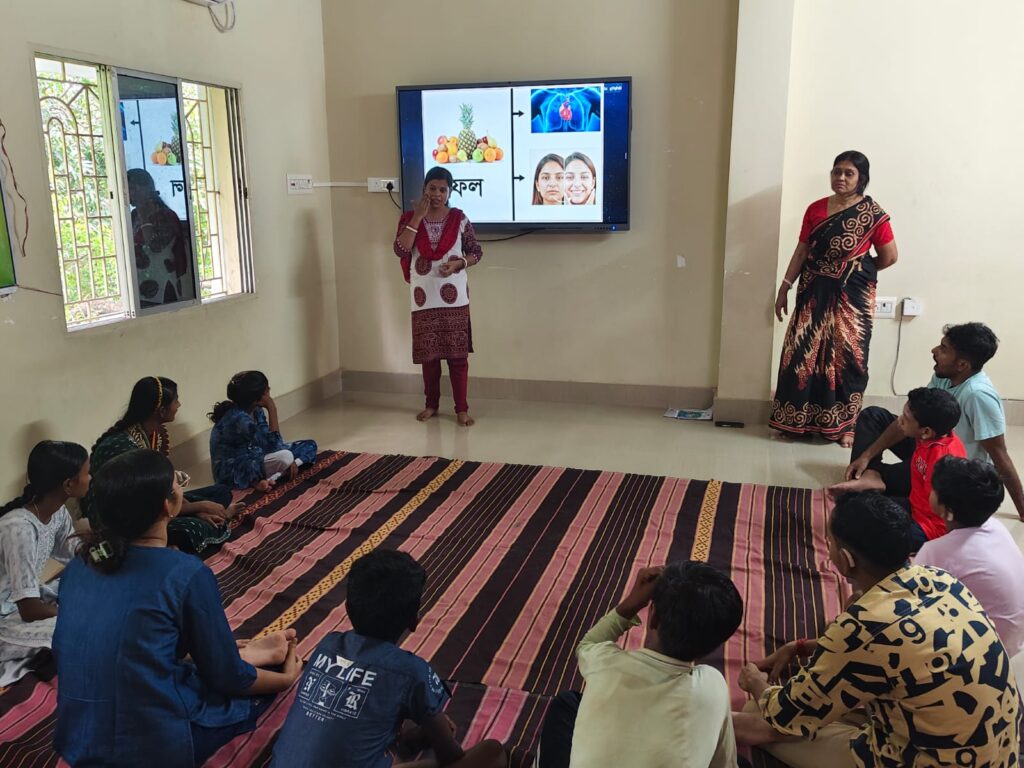
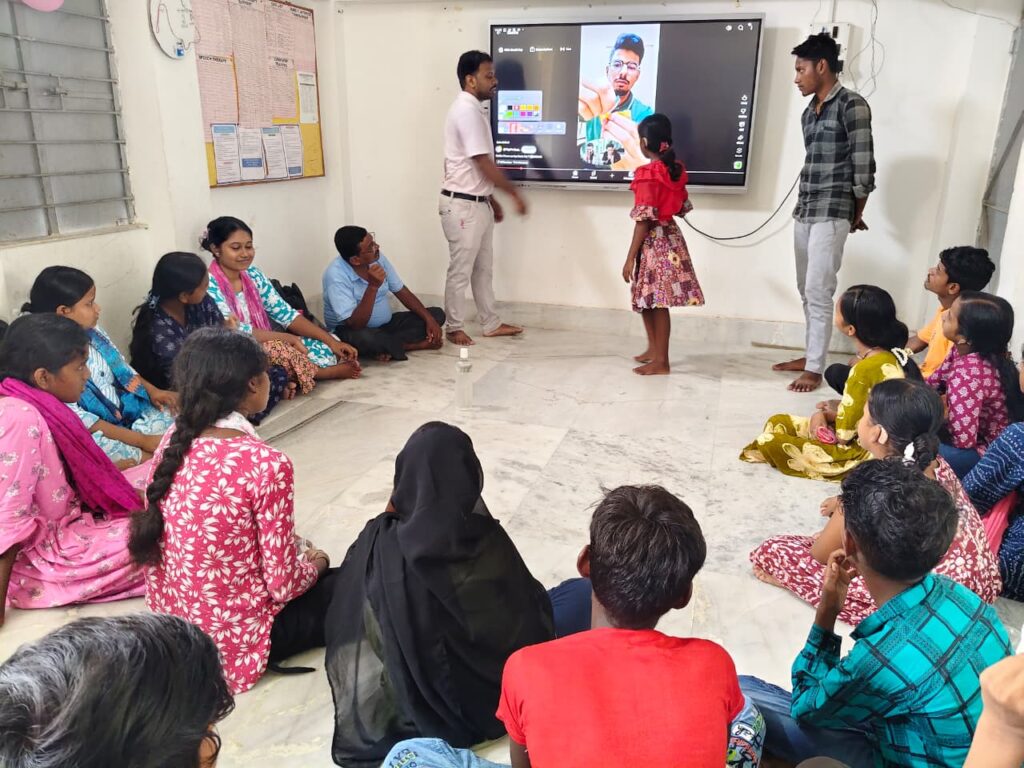
Smart boards were extensively utilized throughout the camps to enhance visual learning, improve engagement, and deliver interactive educational content tailored to the needs of children with disabilities.
A key component of the camps was empowering parents through hands-on training in disability management, enabling them to better understand their children’s developmental needs and actively participate in their rehabilitation journey. Community Resource Group (CRG) members also played an active role in the teaching–learning process, strengthening community-based support and promoting inclusive rehabilitation practices.
Details of Participants
| Blocks | Date | HI | ID | MD | CP | LMD | TOTAL | Parents/ Siblings/ CRGs | Staffs/Trainee/Volunteer | Total |
| Pandua | 18th, 19th & 22nd June 2026 | 12 | 12 | 03 | 09 | 01 | 37 | 33 | 21 | 91 |
| Polba-Dadpur | 11 | 12 | 00 | 18 | 10 | 51 | 62 | 36 | 149 | |
| Dhaniakhali | 12 | 13 | 03 | 03 | 01 | 32 | 47 | 21 | 100 | |
| Balagarh | 18 | 18 | 02 | 18 | 05 | 61 | 62 | 25 | 148 | |
| Total | 53 | 55 | 08 | 48 | 17 | 181 | 204 | 103 | 488 | |
For Children with Cerebral Palsy (CP), Multiple Disabilities (MD), and Locomotor Disabilities (LMD):
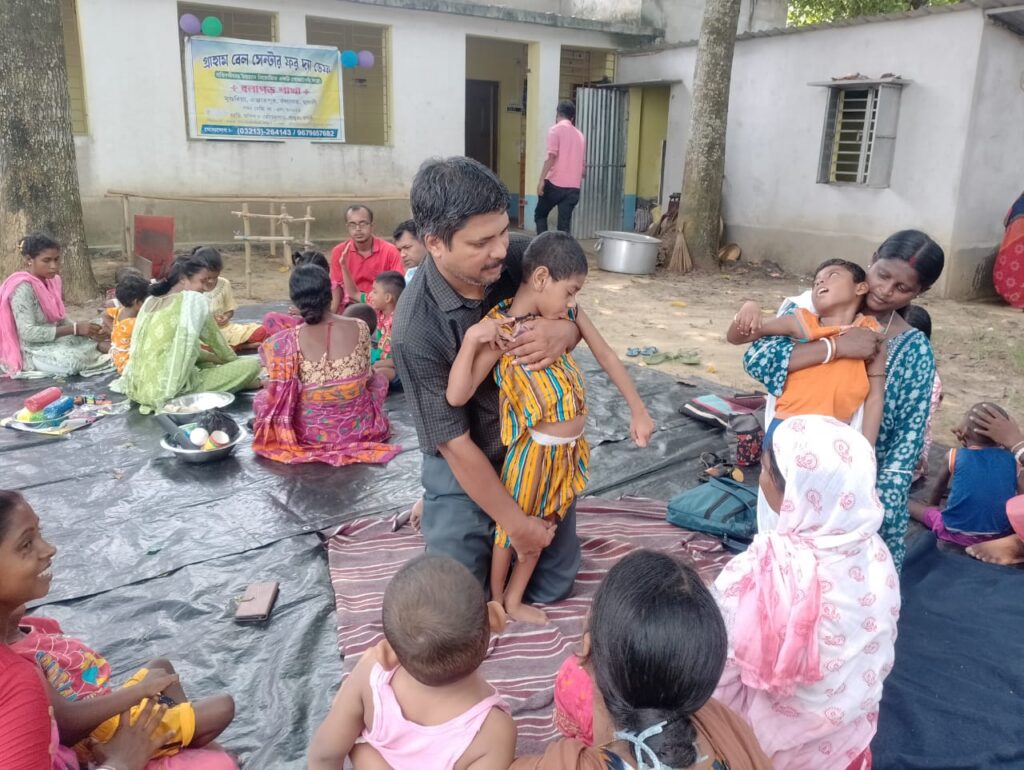
During the Day Care Camps, special emphasis was placed on improving the physical development and functional independence of children with disabilities. Individualized developmental therapy focused on strengthening gross motor skills, including neck control, sitting balance, crawling, kneeling, standing, and walking. Parents received hands-on demonstrations and practical training on developmental therapy techniques to enable them to continue regular exercises with their children at home.
Fine motor and gross motor skills were further enhanced through structured play therapy activities. Drooling management exercises were provided to children requiring oral motor intervention, while children with mild Cerebral Palsy and Locomotor Disabilities participated in yoga sessions to improve balance, flexibility, posture, and body coordination. Gait training was also conducted for selected children to promote improved mobility and independent walking.
The camps also emphasized the development of self-help and activities of daily living (ADL) skills. Children were encouraged to practice essential daily tasks such as bathing, dressing, combing hair, and eating independently, thereby fostering greater confidence and self-reliance.
Post-lunch sessions focused on cognitive and pre-academic development through interactive smart board-based learning. Children were introduced to basic concepts such as fruits, vegetables, animals, colours, and body parts using engaging visual aids and activity-based teaching methods.
Each day concluded with recreational and therapeutic group activities, including ball-passing games, hand movement exercises, balloon catching and other creative activities designed to enhance physical coordination, social interaction, and active participation. The sessions ended with a feedback and reflection meeting, where parents shared their experiences, learning, and observations, reinforcing their role as active partners in their children’s rehabilitation and development.
For Children with Intellectual Disabilities (ID) and Autism Spectrum Disorder (ASD):
The day commenced with yoga and Zumba sessions for children with Intellectual Disabilities (ID) and Autism Spectrum Disorder (ASD) to promote physical fitness, improve body movement, enhance imitation skills, and encourage active participation. These activities also helped improve attention, coordination, and social engagement.
Special emphasis was placed on developing self-help and daily living skills. Children were guided through activities such as brushing teeth, dressing, and combing hair to foster greater independence in their routine lives.
A variety of structured play-based activities were conducted to enhance fine motor skills, hand-eye coordination, and concentration. These included tasks such as dropping coins into a box, collecting coins from large dough, and the “Feeding the Parrot” activity. Sensory integration and object identification skills were strengthened through the use of a “Feely Bag,” where children explored and identified objects using tactile cues. For children exhibiting hyperactivity, individualized occupational therapy activities were provided to channel excess energy constructively, improve attention span, and support self-regulation.
Following lunch, an awareness session on the misuse of mobile phones and their adverse effects was conducted using the Smart Board. The interactive visual presentation helped children understand healthy technology use in an engaging manner.
To enhance environmental awareness and concept development, children participated in playful learning activities focused on identifying and naming common household items, vegetables, fruits, and other familiar objects. These activities enriched their vocabulary, concept formation, and cognitive development.
Creative skill-building sessions were also organized, during which the children prepared simple handmade items such as paper packets, floor mats, hand fans, and other craft materials. These activities promoted creativity, improved fine motor coordination, and instilled a sense of accomplishment and confidence.
The day concluded with a parent learning and feedback session, where parents were guided on continuing therapeutic and learning activities at home. They also shared their observations, discussed their children’s progress, and received practical suggestions to strengthen home-based support.
For Children with Hearing Impairment (HI):
The Day Care Camps for children with hearing impairment emphasized practical, activity-based, and context-specific learning approaches to enhance concept development, comprehension, and long-term retention. The sessions covered a range of educational and life-skill topics, including Cloud and Rain, Stages of Human Life and the responsibilities associated with each stage, Social Behaviour, Yoga, and Nutritious Food.
To make learning more engaging and accessible for deaf children, Smart Boards, visual aids, pictorial presentations, flashcards, and interactive demonstrations were extensively used. These visual teaching methods enabled the children to understand abstract concepts more effectively while strengthening their communication, vocabulary, and cognitive skills through sign language-supported instruction.
The camps also created a supportive learning environment by actively involving parents and peers in the educational process. Their participation helped them gain a better understanding of the communication methods, educational needs, and developmental requirements of deaf children. This collaborative approach strengthened family involvement, encouraged inclusive learning, and promoted a more supportive environment for the children’s holistic growth and development.
The day’s activities concluded with a parent learning and feedback session, where parents shared their observations on their children’s progress, received guidance on reinforcing learning at home, and discussed strategies to support their children’s continued educational and personal development.