“VOICES UNHEARD”
District-Level Consultation on Inclusion of Children and Persons with Disabilities
Organized by:
Graham Bell Centre for the Deaf (GBCD), Pandua, Hooghly
Venue: Rabindra Bhavan, Chinsurah, Hooghly
Date: 9 September 2026
Time: 11:00 a.m.
1. Background
Children and persons with disabilities (CwDs & PwDs) living in rural and marginalized communities continue to experience multiple barriers in accessing healthcare, education, rehabilitation, social security, government entitlements, livelihood opportunities and participation in community life. While various government programmes and provisions are available, gaps in awareness, accessibility, coordination and implementation often prevent persons with disabilities from fully benefiting from these opportunities.
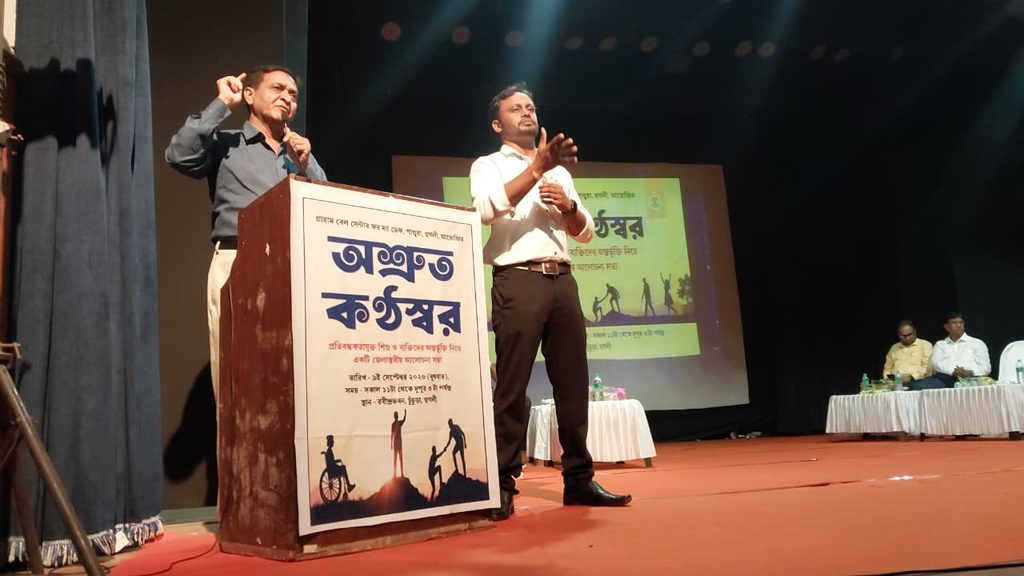
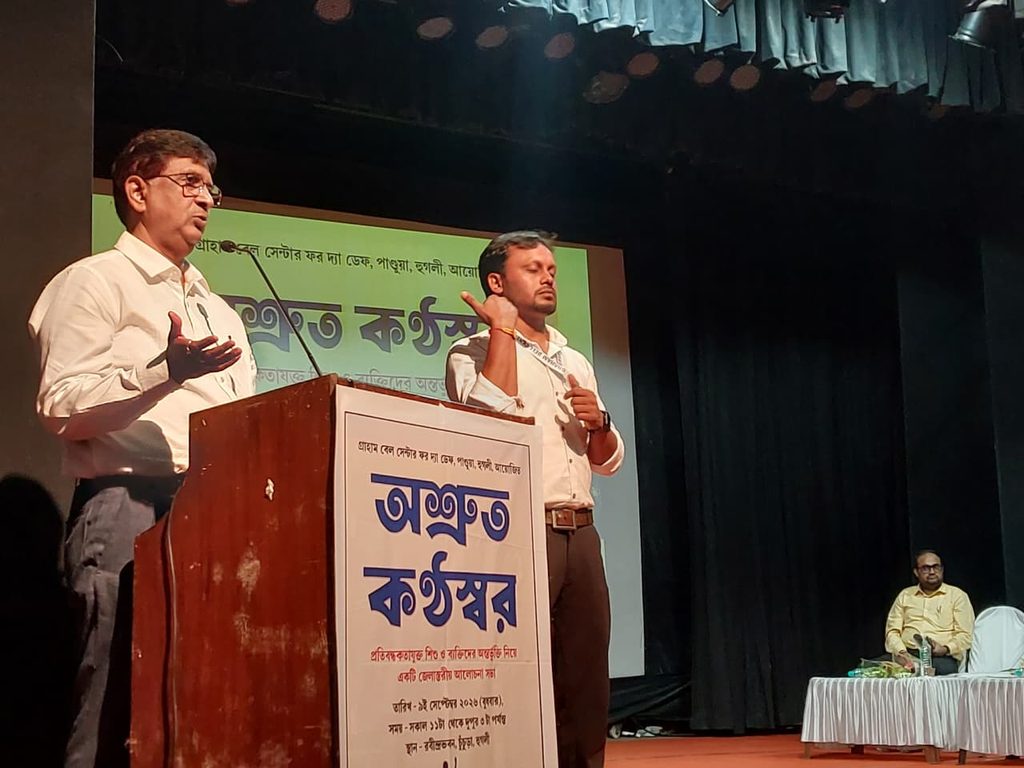
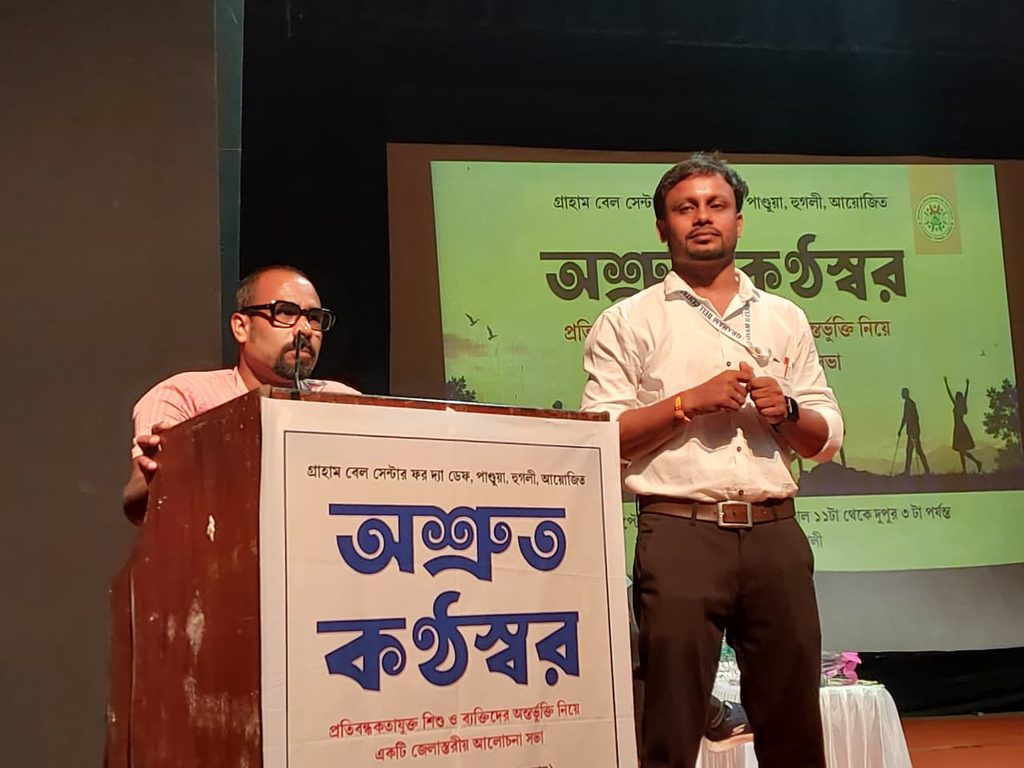
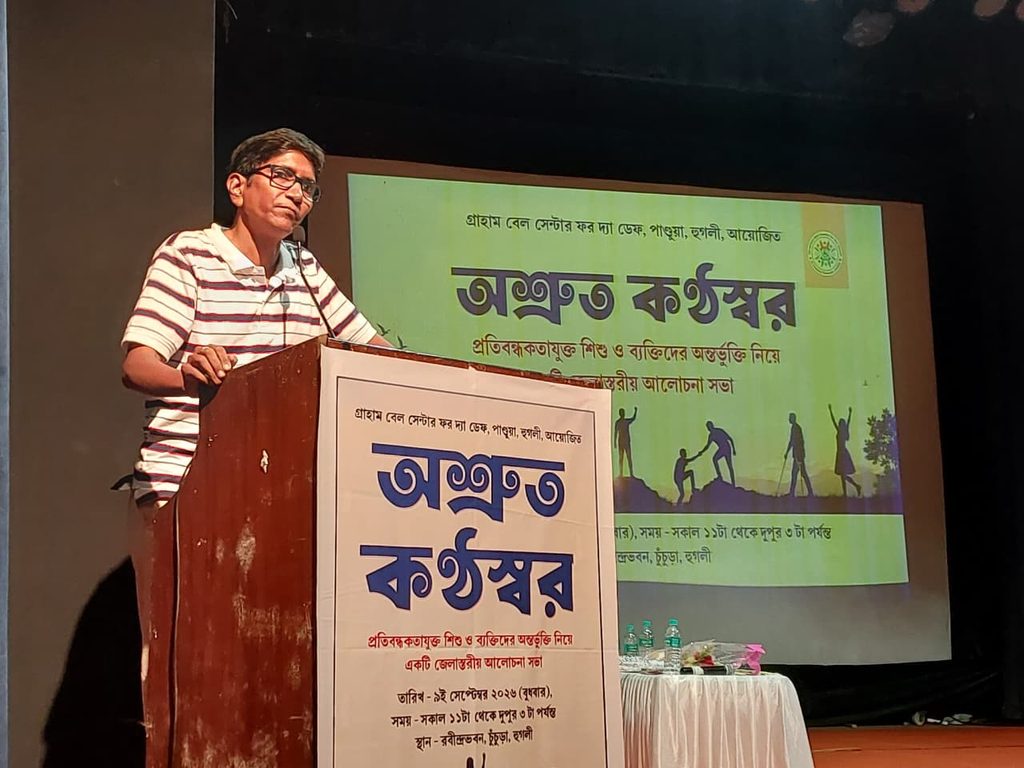
Recognizing the importance of bringing the lived experiences of persons with disabilities and their families into wider public discussion, Graham Bell Centre for the Deaf (GBCD), Pandua, Hooghly, organized a district-level consultation titled “Voices Unheard” on 9 September 2026 at Rabindra Bhavan, Chinsurah, Hooghly.
The consultation was designed as a common platform for persons with disabilities, parents, teachers, ICDS workers, health workers, government representatives, civil society organizations and other stakeholders to share experiences, identify challenges and discuss practical solutions for strengthening disability-inclusive development.
The consultation was based on a community-level study conducted by GBCD across Pandua, Polba-Dadpur, Balagarh and Dhaniakhali Blocks of Hooghly district i.e – GBCD Intervention area. The study examined the everyday realities of children and persons with disabilities and their families, particularly in relation to healthcare, education, social security, government entitlements, employment, livelihood and social inclusion.
2. Objectives of the Programme
The major objectives of the “Voices Unheard” consultation were:
3. Participants and Stakeholders
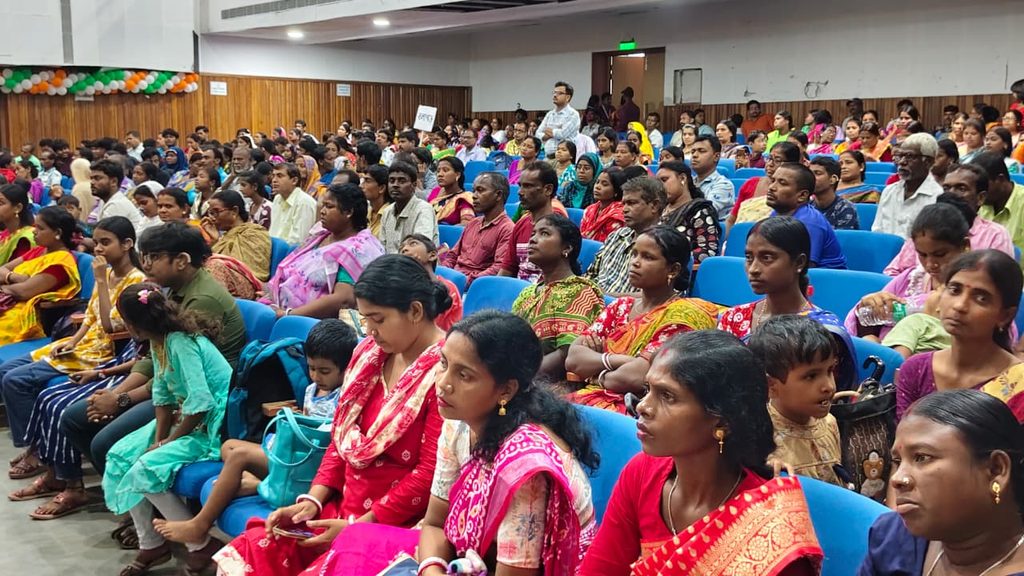
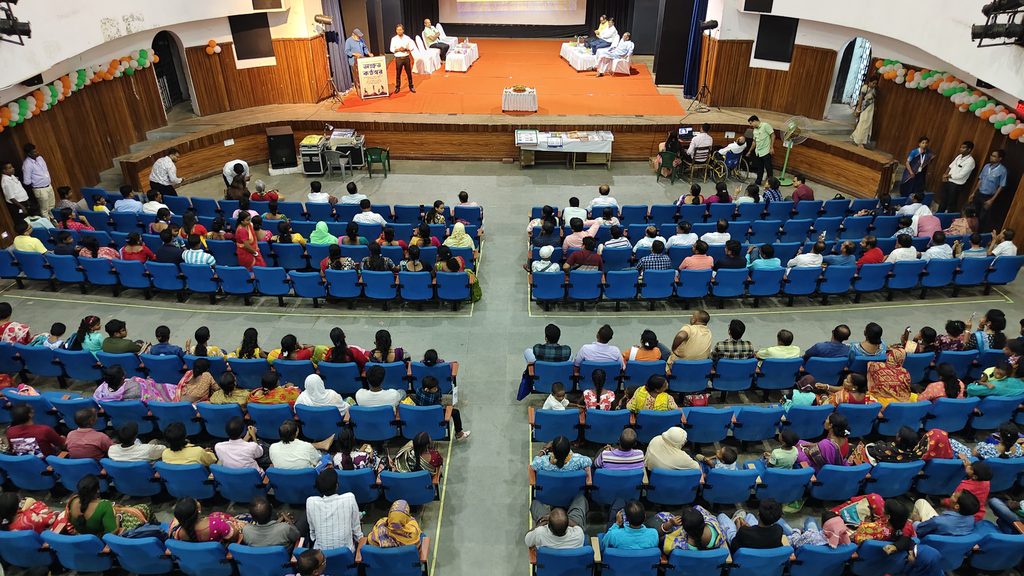
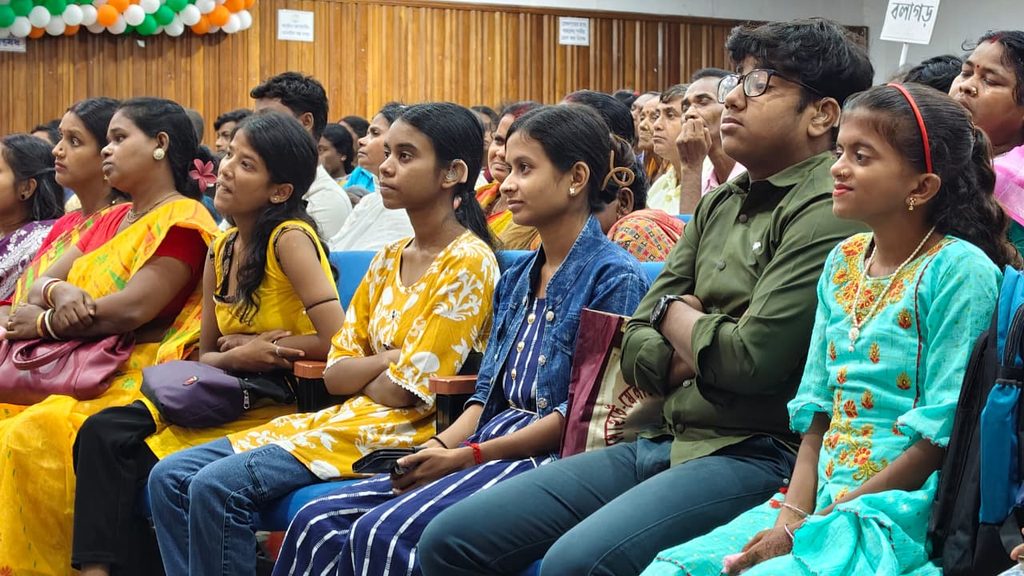
The programme brought together almost 550 no of stakeholders from different sectors, creating an opportunity for cross-sectoral dialogue. Participants included:
The presence of stakeholders from different sectors helped to create a broader understanding of the challenges faced by CwDs and PwDs.
4. Distinguished Guests
The consultation was attended by several distinguished guests and stakeholders, including:
The guests shared their perspectives on disability inclusion and emphasized the importance of collective responsibility in addressing the challenges faced by persons with disabilities.
5. Proceedings of the Programme
5.1 Inaugural Session
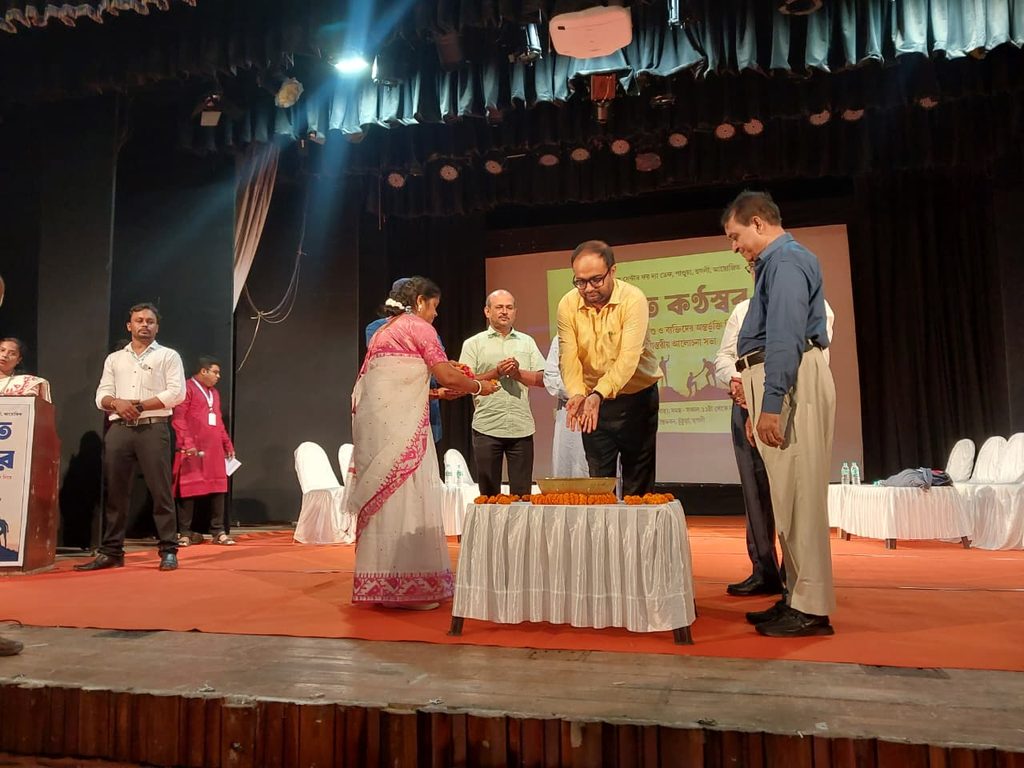
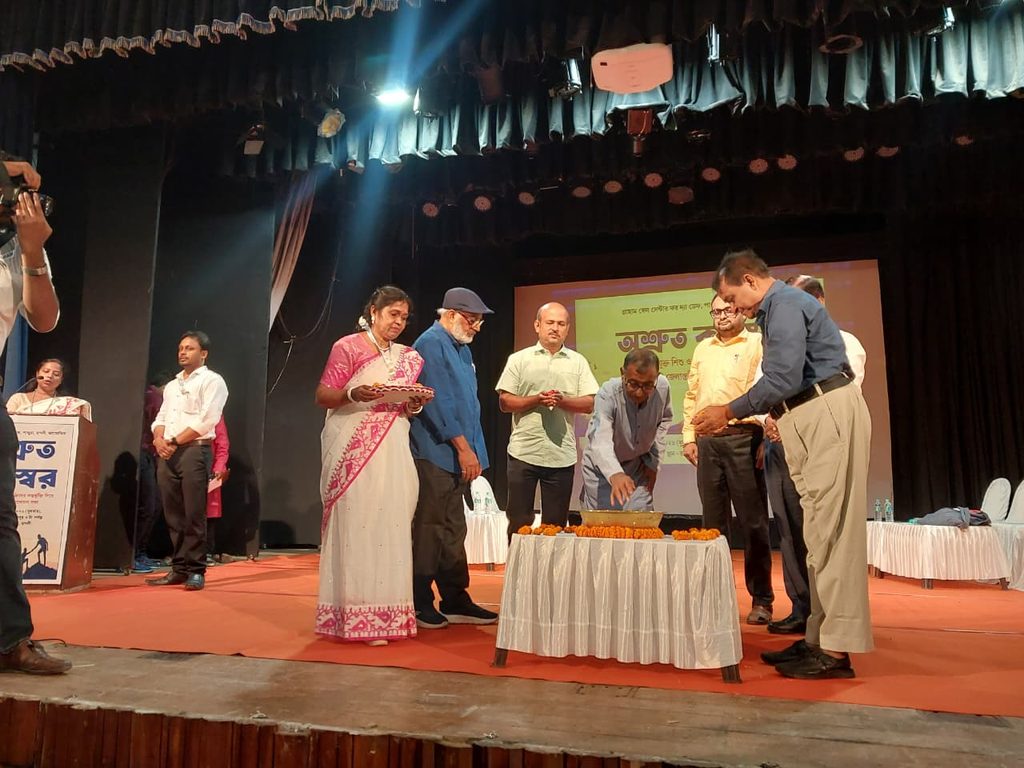
The programme commenced with an inauguration song, “Antara Mamo Bikashito Koro,” by Rabindranath Tagore, creating a meaningful and reflective beginning to the consultation.
The formal inauguration was followed by the traditional gesture of offering flowers to a flower pot, symbolizing growth, dignity, hope and collective commitment towards an inclusive society.
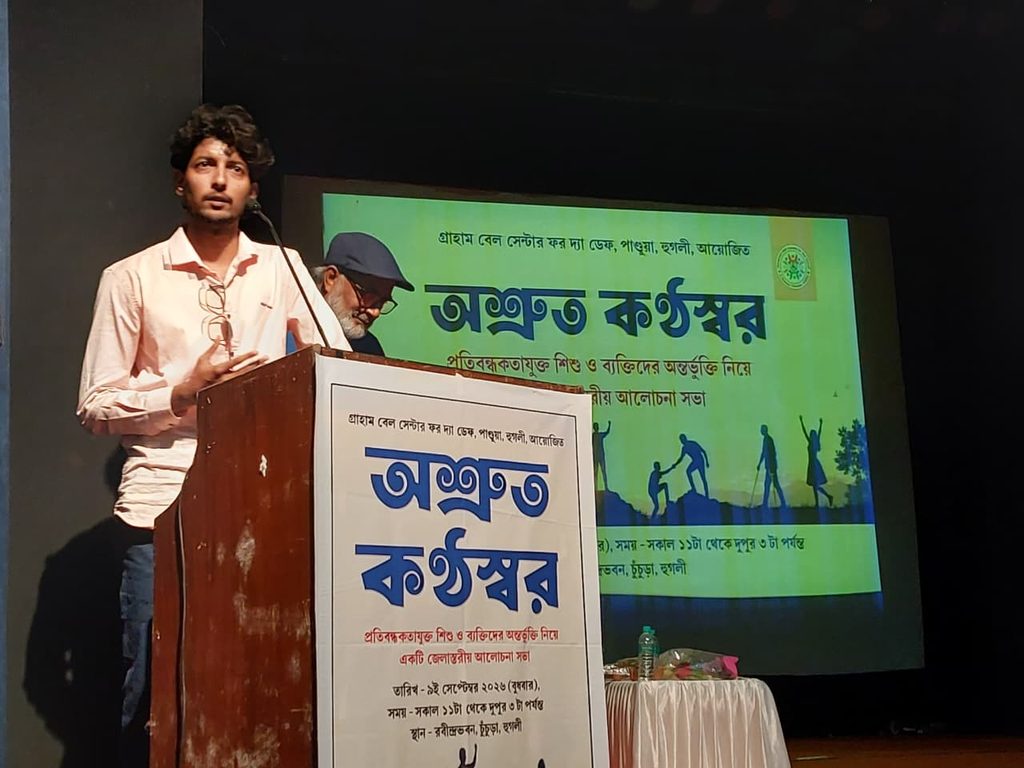
Mr. Souen De, President of GBCD, delivered the Welcome Address.
He warmly welcomed the distinguished guests, government representatives, teachers, ICDS and health workers, parents, persons with disabilities, representatives of civil society organizations and all other participants.
In his address, Mr. De highlighted the importance of the “Voices Unheard” consultation as a platform for listening to the real-life experiences and concerns of persons with disabilities and their families.
He also highlighted GBCD’s long-standing approach of “From Identification to Empowerment”, under which the organisation works with families and communities to facilitate early identification, intervention, rehabilitation, education, inclusion and, ultimately, greater independence and empowerment.
5.3 Address by Sk. Mansur Ali
Following the inauguration, Mr. Mansur Ali, Secretary & Director of GBCD, addressed the gathering.
He spoke about the journey of Graham Bell Centre for the Deaf, its long-standing engagement with communities in Hooghly and its efforts towards bringing children and persons with disabilities from identification to empowerment.
He highlighted the importance of community-based intervention and emphasized that disability inclusion cannot be achieved through one organization or one programme alone. Families, communities, schools, health services, government departments and civil society organizations all have important roles to play.
He also emphasized that the experiences and voices of persons with disabilities should be considered while designing and implementing programmes intended for their benefit.
5.4 Presentation of the “Voices Unheard” Study
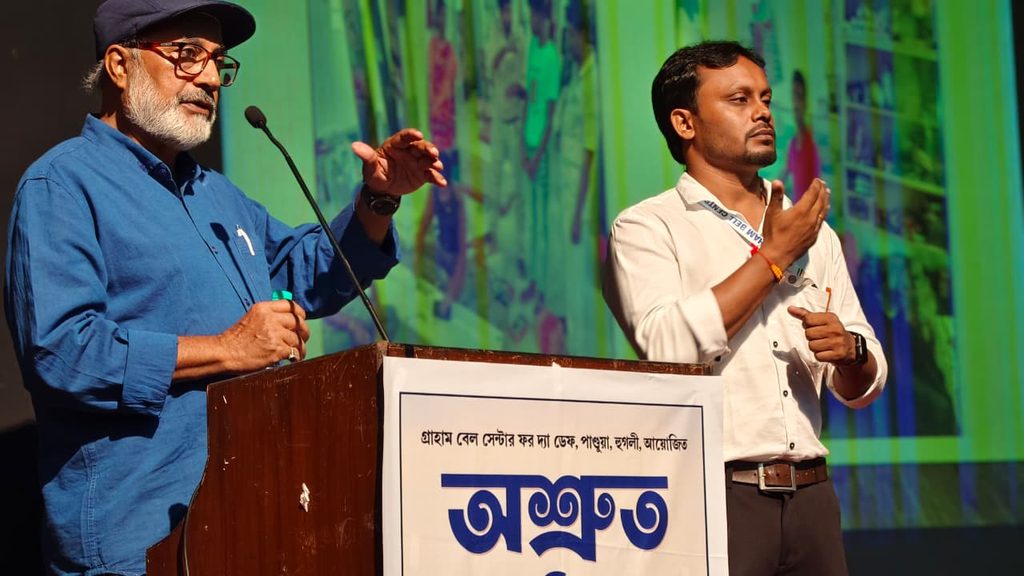
Mr. Supriya Kumar, honorable advisor & mentor of GBCD and a pioneering figure in Disability & Development, presented the findings of the “Voices Unheard” community-based study conducted by GBCD.
The presentation focused on the experiences of children and persons with disabilities and their families across Pandua, Polba-Dadpur, Balagarh and Dhaniakhali Blocks.
The study explored key areas including:
The PPT presentation highlighted that although several services and schemes are available, persons with disabilities continue to face difficulties in accessing them because of lack of awareness, geographical and financial barriers, and limited availability of services, inadequate coordination and other local challenges.
5.5 Publication of the Study Report
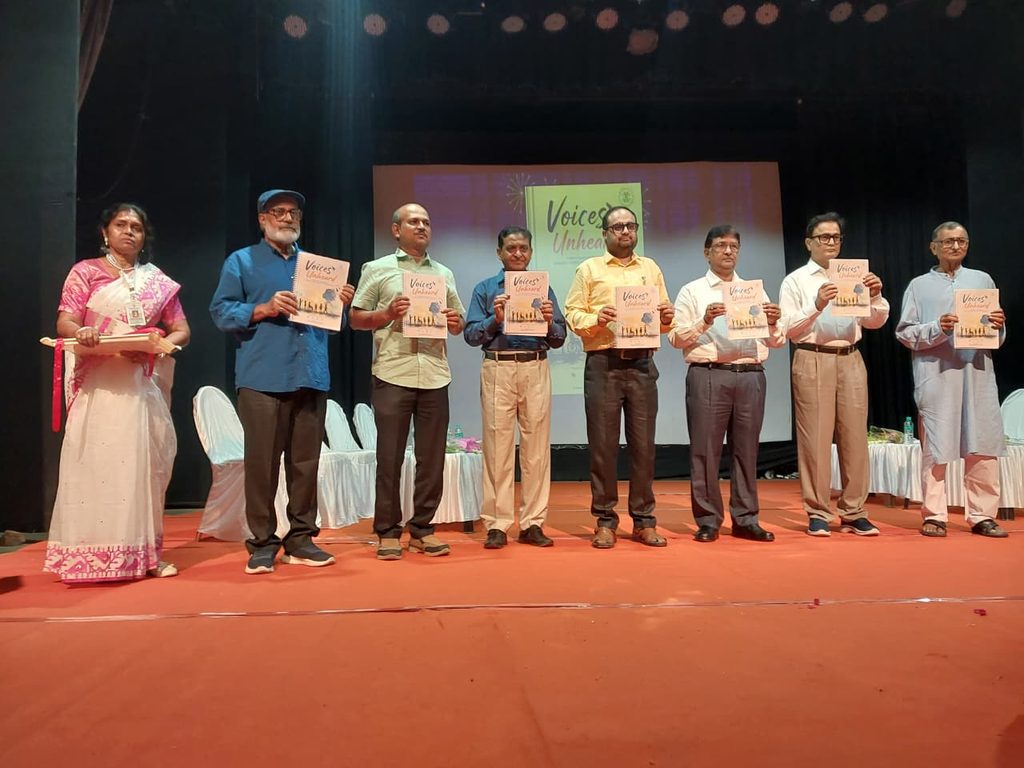
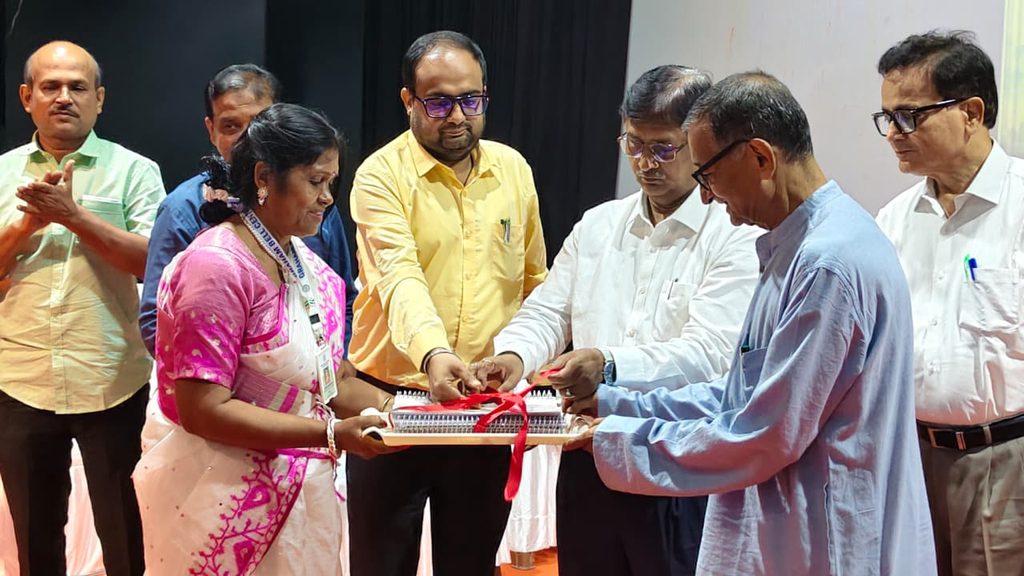
Following the presentation, the “Voices Unheard” study report was formally published in the presence of the invited guests and stakeholders.
The publication marked an important milestone for GBCD as it transformed community experiences and field-level observations into a documented body of evidence for discussion and future action.
The report is intended to serve as a reference for stakeholders involved in disability-inclusive development and to encourage further dialogue around the rights, needs and aspirations of CwDs and PwDs.
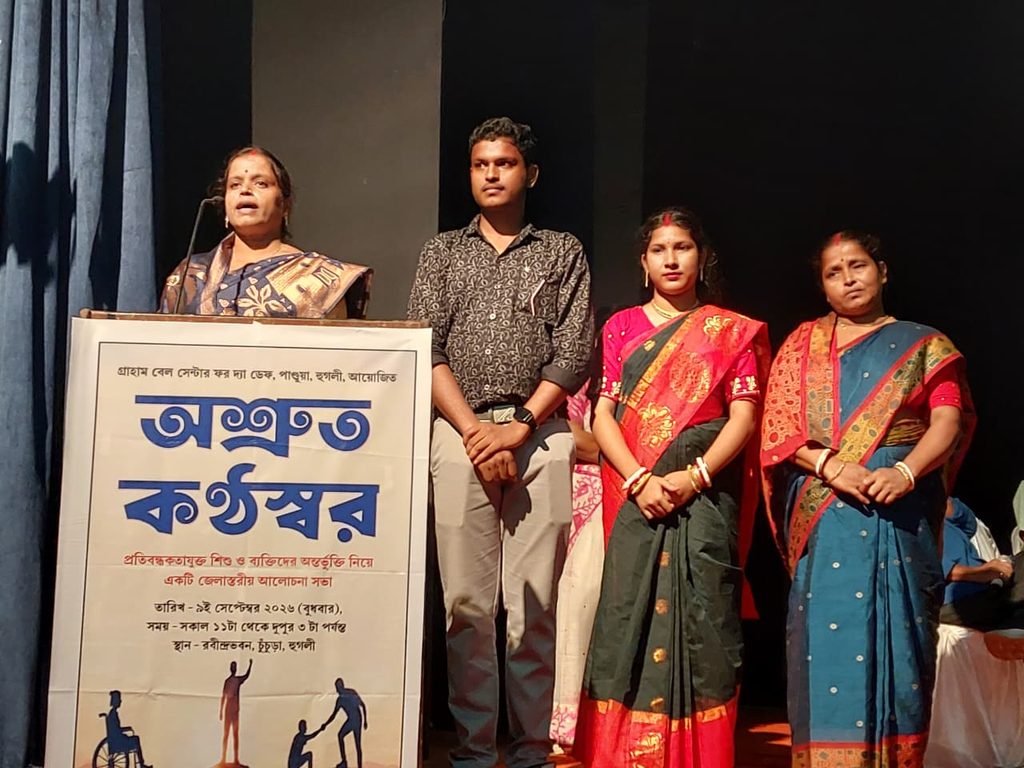
6. Sharing of Experiences by Parents and Persons with Disabilities
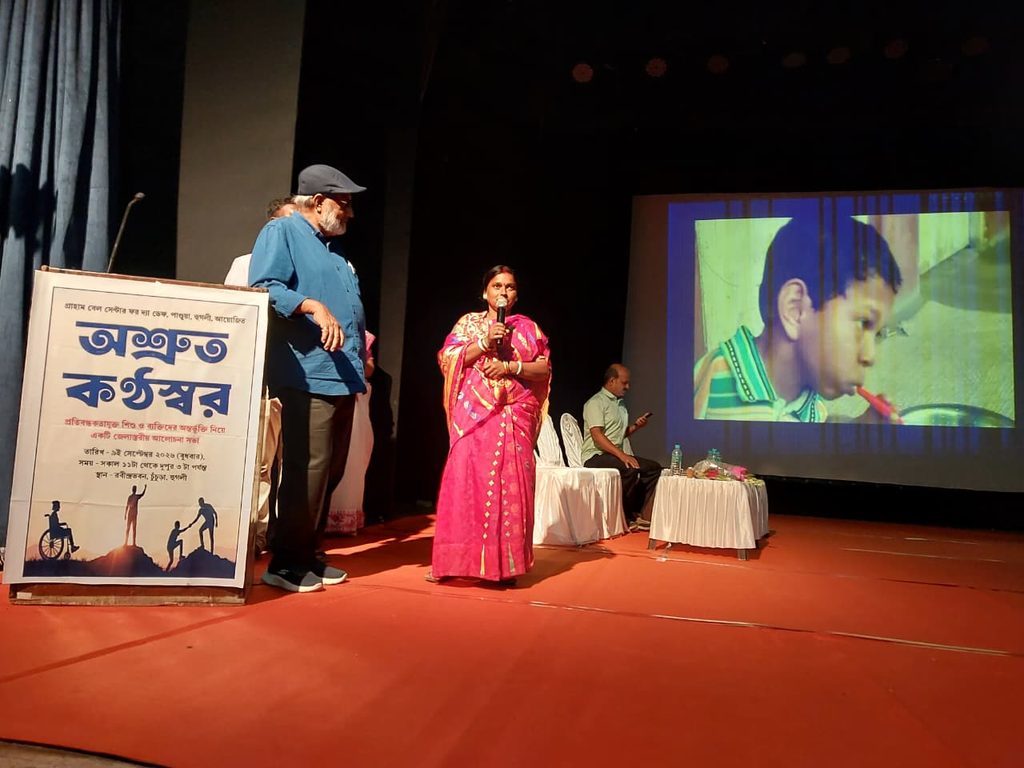
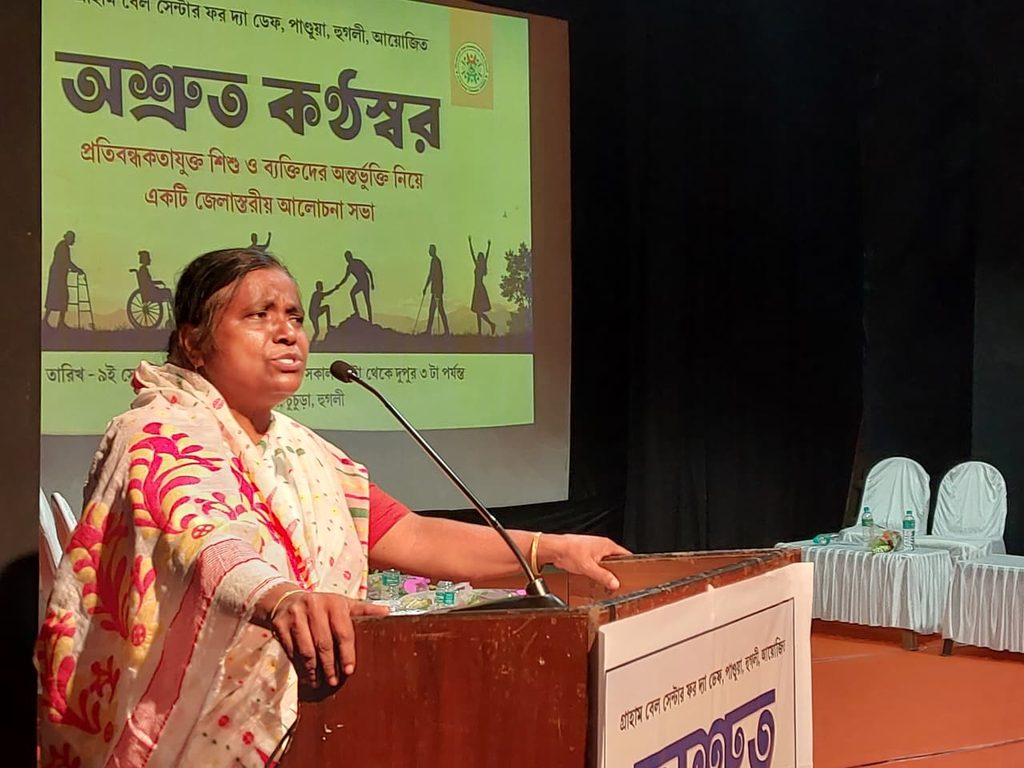
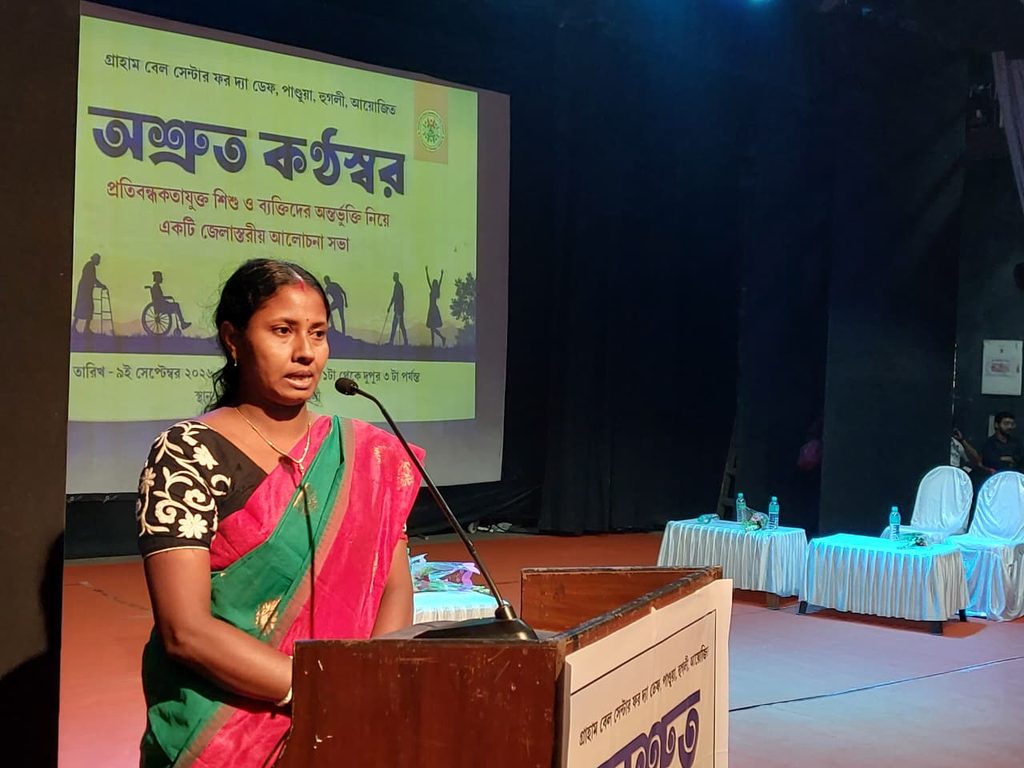
One of the most important parts of the consultation was the sharing of personal experiences by parents and persons with disabilities.
Parents spoke about the difficulties they experienced in identifying disability, accessing treatment and therapy, supporting their children’s education and navigating different government services.
They also shared the changes they observed in their children after receiving appropriate support and intervention from GBCD. Their experiences demonstrated the importance of timely intervention, continuous family support, counselling, education, therapy and community-based services.
Persons with disabilities themselves shared their experiences, challenges and aspirations. Their participation reinforced the central message of the consultation—that persons with disabilities should not merely be considered beneficiaries of programmes but should be actively involved in discussions and decisions concerning their lives.
Their stories brought a human dimension to the study findings and helped the participants understand the practical realities behind the data.
7. Experiences Shared by Stakeholders
Representatives from different sectors also shared their experiences of working with children and persons with disabilities.
School Teachers
Teachers discussed challenges related to:
They emphasized the importance of continued support to teachers and schools so that children with disabilities can participate meaningfully in mainstream education.
Health Workers
Health workers shared their experiences regarding identification and referral of children with developmental delays and disabilities.
The discussion emphasized the importance of:
ICDS and CDPO
The CDPO, Balagarh, has shared valuable experiences regarding identification of children with developmental delays and disabilities at the community level.
He discussed the practical challenges faced by frontline workers and highlighted the importance of coordination between ICDS, health services, families, schools and specialized rehabilitation services.
The discussion demonstrated that frontline workers can play a critical role in identifying children at an early stage and connecting families with appropriate services.
8. Key Issues Emerging from the Consultation
The consultation brought forward several important issues requiring continued attention and coordinated action.
8.1 Early Identification and Intervention
Early identification of developmental delays and disabilities is essential for ensuring timely support. Participants emphasized the need to strengthen community-level screening, referral and follow-up systems.
8.2 Accessible Healthcare and Rehabilitation
Regular access to therapy, rehabilitation and specialist services remains important, particularly for children living in rural areas.
Participants highlighted the need for accessible and affordable:
8.3 Inclusive Education
The consultation emphasized the need for education systems to become more inclusive and responsive to different learning and communication needs.
Greater support is required for teachers, students and families, including appropriate teaching-learning materials, communication support and awareness regarding disability.
8.4 Assistive Devices
Participants discussed the importance of timely provision of assistive devices as well as their proper fitting, programming, maintenance and follow-up.
Assistive devices should be viewed not merely as one-time distributions but as part of a continuing support system.
8.5 Government Entitlements and Social Security
Many families require support in understanding and accessing government schemes, certificates, social security benefits and other entitlements.
Better awareness, facilitation and coordination were identified as necessary to ensure that eligible persons receive the benefits available to them.
8.6 Livelihood and Economic Empowerment
For adolescents and adults with disabilities, education needs to be linked with appropriate skill development, employment and livelihood opportunities.
Participants emphasized the importance of creating pathways towards economic independence and dignified work.
8.7 Community Awareness and Sensitization
Lack of awareness continues to contribute to exclusion and misunderstanding. Community sensitization involving schools, families, frontline workers, local institutions and the general public was identified as an important component of inclusion.
9. Major Recommendations
Based on the study findings and discussions during the consultation, the following recommendations emerged:
10. Key Learning from the Consultation
The consultation demonstrated that disability inclusion requires a multi-sectoral and coordinated approach.
The experiences shared by parents, persons with disabilities, teachers, health workers, ICDS personnel and other stakeholders showed that barriers are often interconnected. For example, early identification without referral, education without communication support, assistive devices without follow-up, or government schemes without adequate facilitation may not produce the desired impact.
The programme reinforced the importance of a continuum of support—from identification and early intervention to education, rehabilitation, social protection, skill development, employment and community participation.
Most importantly, the consultation demonstrated the value of listening directly to persons with disabilities and their families. Their lived experiences provide important insights that cannot be captured through statistics alone.
11. Outcome of the Programme
The “Voices Unheard” consultation successfully created a district-level platform for dialogue on disability inclusion.
The major outcomes included:
12. Conclusion
The “Voices Unheard” District-Level Consultation was an important step towards bringing the concerns, experiences and aspirations of children and persons with disabilities into the centre of public dialogue in Hooghly district.
The consultation moved beyond discussing disability as an individual or family issue and highlighted it as a matter of rights, inclusion, accessibility, participation and development.
The voices shared during the programme clearly demonstrated that meaningful inclusion requires continuous support and collaboration among families, communities, schools, ICDS centres, healthcare providers, government departments, civil society organizations and persons with disabilities themselves.
GBCD reiterated its commitment to continue working with communities and stakeholders to strengthen inclusive systems and create opportunities for children and persons with disabilities to live with dignity, equality and greater independence.
The consultation concluded with a shared commitment to strengthen convergence, improve implementation of existing provisions and schemes, enhance community-level awareness, and continue dialogue with persons with disabilities and their families.